

TAVI/TAVR implantation in Kolkata in 2026: Procedures, Cost & Other details
TAVI/TAVR Implantation in Kolkata in 2026: Procedures, Cost & Other Details
The landscape of cardiovascular medicine is continually evolving, bringing forth less invasive and more effective treatments for complex heart conditions. Among these breakthroughs, Transcatheter Aortic Valve Implantation (TAVI), also known as Transcatheter Aortic Valve Replacement (TAVR), stands out as a game-changer for patients suffering from severe aortic stenosis. As we look towards 2026, Kolkata, with its burgeoning medical infrastructure and skilled specialists, is poised to be a leading hub for this advanced procedure.
If you or a loved one are exploring TAVI/TAVR options in Kolkata in the near future, this blog post aims to provide a comprehensive overview of what to expect, from the procedure itself to the estimated costs and other crucial details.
What is Aortic Stenosis and Why TAVI/TAVR?
Before delving into the specifics, let’s understand the condition TAVI/TAVR addresses. Aortic stenosis is a serious heart condition where the heart’s aortic valve narrows, restricting blood flow from the left ventricle to the aorta and subsequently to the rest of the body. This forces the heart to work harder, leading to symptoms like chest pain, shortness of breath, fatigue, and fainting. If left untreated, severe aortic stenosis can be life-threatening.
Traditionally, the only definitive treatment was open-heart surgery to replace the damaged valve. However, many patients, especially the elderly or those with multiple co-existing health conditions, are considered high-risk for such an invasive surgery. This is where TAVI/TAVR shines.
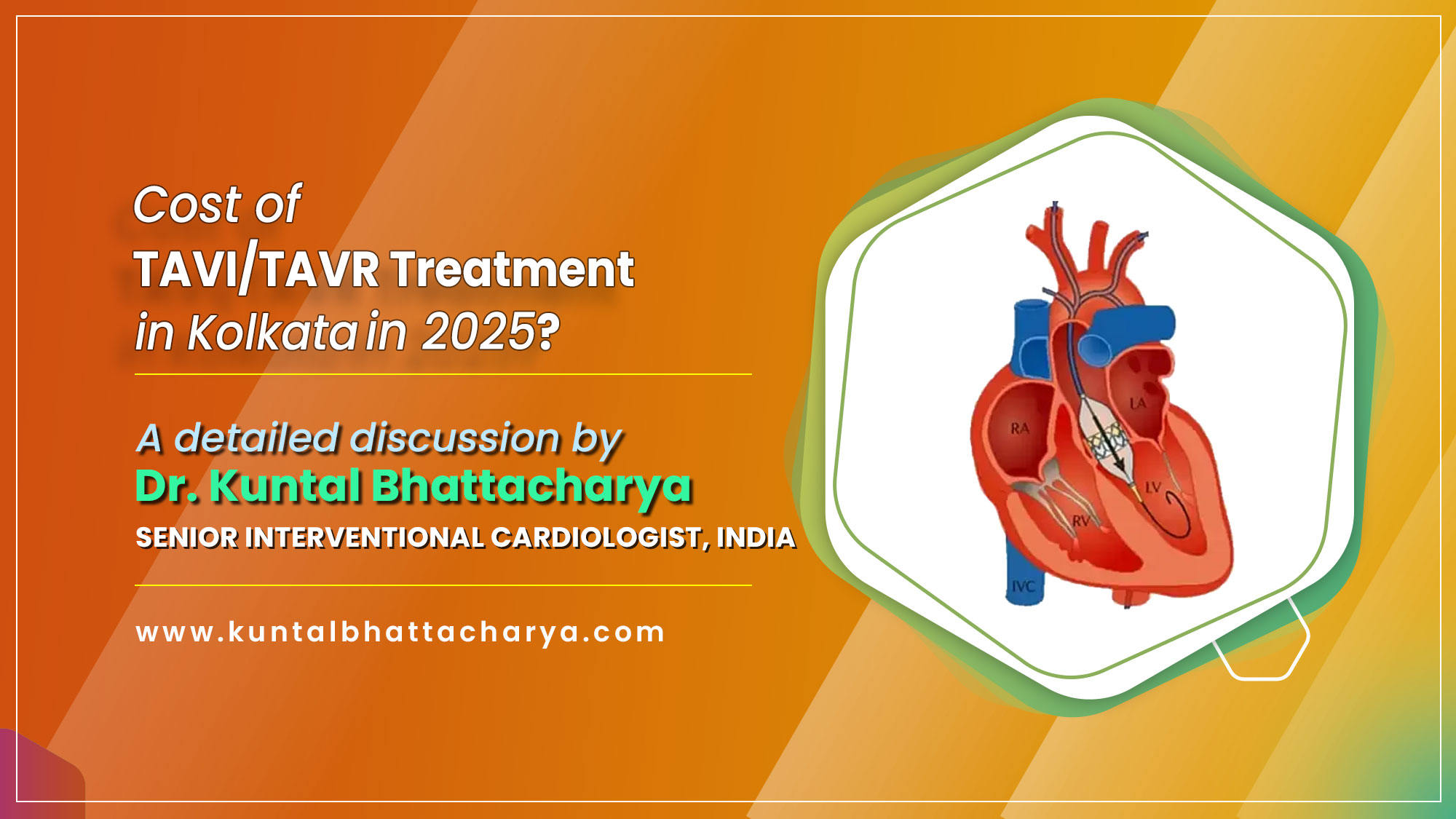
TAVI/TAVR is a minimally invasive procedure where a new, collapsible artificial heart valve is delivered to the heart through a catheter, typically inserted via a small incision in the leg (femoral artery). The new valve is then expanded within the diseased native valve, effectively taking over its function without the need for open-chest surgery.
The TAVI/TAVR Procedure in Kolkata (2026 Perspective)
By 2026, TAVI/TAVR procedures in Kolkata’s top cardiac centers will be even more streamlined, leveraging cutting-edge technology and refined protocols. Here’s a breakdown:
1. Pre-Procedure Assessment and Planning
This is a critical phase. Patients will undergo a thorough evaluation by a multidisciplinary “Heart Team” comprising interventional cardiologists, cardiac surgeons, cardiac anesthetists, and other specialists. This team will:
- Review Medical History: Comprehensive assessment of all existing conditions and medications.
- Diagnostic Tests: These will include advanced imaging like:
- Echocardiogram (Echo): To assess valve function and heart structure.
- CT Angiography: High-resolution 3D imaging to precisely measure the aortic valve, assess the aorta, and map the access vessels (e.g., femoral arteries) for catheter delivery.
- ECG, Blood Tests, Pulmonary Function Tests: To gauge overall health and fitness for the procedure.
- Risk-Benefit Analysis: Determine if TAVI is the most appropriate treatment option, considering individual patient risks and predicted outcomes.
2. During the Procedure
The TAVI procedure itself is typically performed in a state-of-the-art Hybrid Cath Lab, which combines the sterile environment of an operating room with advanced imaging capabilities.
* Anesthesia: Patients usually receive local anesthesia and conscious sedation, though general anesthesia may be used in certain cases.
* Access Point:
* Transfemoral (Most Common): A catheter is inserted into an artery in the groin (femoral artery) and guided to the heart.
* Alternative Access: In cases where the femoral artery is unsuitable, other routes like the subclavian artery (shoulder) or direct transaortic (through a small incision in the chest) might be used. By 2026, smaller catheters and more versatile access techniques will make the procedure even less invasive.
* Valve Delivery: The compressed replacement valve, mounted on a balloon or self-expanding frame, is delivered through the catheter to the site of the diseased aortic valve.
* Valve Deployment: Once in position, the new valve is expanded, pushing aside the old valve leaflets and immediately taking over the function of blood flow regulation.
* Completion: The catheter is removed, and the access site is closed.
The procedure typically takes 1 to 2 hours.
3. Post-Procedure and Recovery
- Immediate Recovery: Patients are usually monitored in the Cardiac Care Unit (CCU) or Intensive Care Unit (ICU) for 24-48 hours.
Hospital Stay: The typical hospital stay for TAVI/TAVR by 2026 is expected to be even shorter, often just 3 to 5 days, significantly less than traditional open-heart surgery.
Medication: Patients will be prescribed antiplatelet medications (like aspirin and clopidogrel for a period, then aspirin lifelong) to prevent blood clots on the new valve.
Return to Activity: Most patients experience a rapid recovery and can return to normal daily activities within a few weeks, with a significant improvement in symptoms and quality of life.
Cost of TAVI/TAVR in Kolkata (2026 Estimate)
The cost of TAVI/TAVR is a significant consideration. By 2026, while technology and expertise will have advanced, competitive pricing in Kolkata’s medical landscape will likely maintain a balance.
Estimated Cost Range (Kolkata, 2026):
You can expect the cost of TAVI/TAVR in leading hospitals in Kolkata to range approximately from INR 18 lakhs to INR 30 lakhs (approximately USD 21,000 to USD 36,000).
Factors Influencing the Cost:
- Type of Valve: Different manufacturers (e.g., Medtronic, Edwards Lifesciences, Boston Scientific, Abbott) offer various valve designs and technologies, which can impact the overall cost. Newer generation valves might be at the higher end.
- Hospital Tier: Premium multi-specialty hospitals with state-of-the-art infrastructure and internationally trained specialists will naturally have higher charges compared to mid-tier facilities.
- Room Category: Your choice of hospital room (general ward, semi-private, private) affects the daily accommodation charges.
- Pre-Procedure Investigations: Extensive diagnostic tests contribute to the initial cost.
- Hospital Stay Duration: Any extended stay due to unforeseen complications will increase the bill.
- Surgeon and Anesthetist Fees: Highly experienced and renowned specialists may have higher consultation and procedure fees.
- Medications and Consumables: Costs for post-procedure medications and other medical supplies.
- Complications: While rare, any complications requiring additional interventions will add to the cost.
Payment & Insurance:
- Medical Insurance: Many comprehensive health insurance plans in India cover TAVI/TAVR, especially for high-risk patients. It’s crucial to check with your insurance provider well in advance about coverage specifics, cashless facilities, and any waiting periods.
- Government Schemes: While primarily for specific demographics, it’s worth checking if any state or central government schemes offer partial coverage or assistance for this procedure.
- Medical Loans: Several financial institutions offer specialized medical loans to help cover the costs.
Why Choose Kolkata for TAVI/TAVR in 2026?
Kolkata is rapidly emerging as a preferred destination for advanced cardiac care, and by 2026, its advantages will be even more pronounced:
- Leading Cardiac Centers: The city boasts several JCI or NABH accredited hospitals with dedicated cardiac departments, equipped with hybrid OTs, advanced imaging, and critical care facilities.
- Renowned Specialists: A growing pool of highly skilled and internationally trained interventional cardiologists and cardiac surgeons specialize in TAVI/TAVR, bringing vast experience to the table.
- State-of-the-Art Technology: Hospitals in Kolkata continuously invest in the latest medical technology, ensuring that patients receive treatment with the most advanced tools and techniques available globally.
- Cost-Effectiveness: Compared to Western countries and even many other major Indian cities, Kolkata offers high-quality TAVI/TAVR procedures at a relatively more affordable cost, without compromising on standards.
- Comprehensive Care: From initial diagnosis and pre-procedure planning to the procedure itself and post-operative rehabilitation, Kolkata’s hospitals offer holistic and integrated care.
- Medical Tourism Infrastructure: For patients traveling from other parts of India or abroad, Kolkata provides a well-developed medical tourism infrastructure, including accommodation, language support, and logistical assistance.
Other Important Details and Considerations
- Risks & Complications: While TAVI is generally safe, like any medical procedure, it carries potential risks. These can include stroke, bleeding, vascular complications, need for a permanent pacemaker, valve leak (paravalvular leak), kidney injury, or infection. Your heart team will discuss these thoroughly.
- Lifelong Follow-up: Regular follow-up appointments with your cardiologist will be crucial to monitor the new valve’s function and overall heart health.
- Lifestyle Modifications: Adopting a heart-healthy lifestyle, including diet, exercise, and avoiding smoking, will be essential for long-term well-being.
- Psychological Support: Dealing with a heart condition can be stressful. Many hospitals offer counseling and support groups to help patients and their families navigate the emotional aspects of treatment and recovery.
Conclusion
By 2026, TAVI/TAVR will undoubtedly be a more refined, accessible, and common treatment for severe aortic stenosis in Kolkata. The city’s commitment to advanced medical technology, coupled with its pool of expert cardiologists, makes it an excellent choice for patients seeking this life-changing procedure.
If you are considering TAVI/TAVR, the most crucial first step is to consult with an experienced cardiologist. They can thoroughly evaluate your condition, discuss the best treatment options, and guide you through every stage of the journey towards a healthier heart.
Read Also: